





Latest from LCGC International
15 days ago
Gulf Coast Conference 2026 PreviewLatest Content







Advertisement
Shorts

1:28
Is AI Eroding Students’ Critical Thinking?
8 hours ago
by
Isabelle Kohler
0:34
The Evolution of a Career Trajectory
2 days ago
by
Isabelle Kohler
1:45
Are PhD Struggles Gender-Specific?
6 days ago
by
Isabelle Kohler

2:57
AI/ML Now: How Will AI/ML Change Chromatography Within Five Years?
7 days ago
by
Gert Desmet
0:53
The #1 Fear Every PhD Student Has
8 days ago
by
Isabelle Kohler
1:06
NTS Method Development
9 days ago
by
Jan H. Christensen
1:38
Taking mRNA-LNP Analysis from R&D to QC
14 days ago
by
Megane Aebischer
2:12
Routine Analysis for siRNAs
15 days ago
by
Martina Lioi

1:08
Is SPE Transferable to Routine Pharma Labs?
15 days ago
by
Tony Edge
0:35
The Role of Perfusion Chromatography
16 days ago
by
Daniel Meston
LCGC International September/October Issue
Read the Latest Cutting-Edge Articles from LCGC

Separation Science in 2025–2026: The Products Shaping Analytical Workflows
Read More About the Latest Cutting-Edge Technology on the Market
The Column September Issue
A Look at the Latest Applications, Articles, and Interviews from the World of Chromatography

Peaks & Pioneers: Isabelle Kohler
Isabelle Kohler on Life Beyond the Traditional Academic Track

Advancing Miniaturized Column and Instrument Technologies for Capillary Liquid Chromatography
A Look at Recent Updates
Podcasts


Videos







Advertisement
All Content
Advertisement

A QuEChERS/ultrahigh-performance liquid chromatography and high-resolution mass spectrometry (UHPLC-HRMS) method tracks 23 plant toxins in cereals and spices. Michele Suman discusses the method with LCGC International.
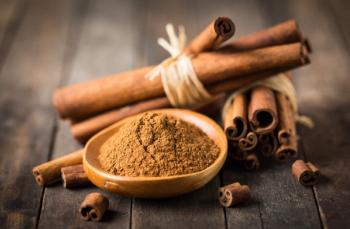
Gas chromatography-mass spectrometry (GC-MS) study links 110 scent compounds to cinnamon variety and origin.

Affinity chromatography-purified viral protein powers a new FAdV-8b test for chickens.

AI/ML Now: Bayesian Optimization and Automation for siRNA Method Development (Part Two)
Published: | Updated:
Ed Ahearne highlights the benefits of ML-driven chromatography for the development of biopharmaceutical products

In this sixth part of " Conversations with Michael Dong," a series on fundamentals of HPLC in pharmaceutical analysis, LCGC International’s "Perspectives in HPLC" column editor compares the chromatographic properties of acetonitrile and methanol.

A three-year study of medical students and doctors in training tracked burnout symptoms alongside inflammation markers and morning cortisol and cortisone levels in saliva, measured by liquid chromatography–tandem mass spectrometry (LC–MS/MS), to better understand the biology of burnout.

AI/ML Now: Bayesian Optimization and Automation for siRNA Method Development (Part One)
Published: | Updated:
Ed Ahearne combined automation, machine learning, and Bayesian optimization to speed up method development for siRNA medicines.
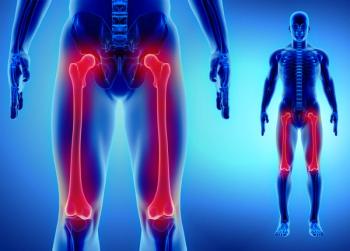
Data-independent acquisition (DIA) liquid chromatography-tandem mass spectrometry (LC–MS/MS) reveals shared and site-specific proteins across the thighbone.

Laura Righetti explains why quantification, not instrumentation, still keeps mass spectrometry imaging (MSI) out of routine food safety testing.

Large language models help chromatographers build LC pressure troubleshooting apps in hours.
Advertisement

Magnetic molecularly imprinted polymer extraction with liquid chromatography-high resolution mass spectrometry (LC–HRMS) finds patulin in store-bought juice.

LC–MS/MS Tracks Drugs in Australian Wastewater
Published: | Updated:
Richard Bade and Malcolm McLeod explain to LCGC International how liquid chromatography-tandem mass spectrometry (LC-MS/MS) detects drug trends in wastewater.
In this fifth part of " Conversations with Michael Dong," a series on fundamentals of HPLC in pharmaceutical analysis, LCGC International’s "Perspectives in HPLC" column editor discusses how to overcome challenges with reversed-phase chromatography in drug analysis.
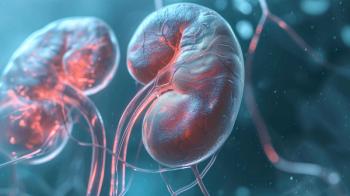
Liquid chromatography–tandem mass spectrometry (LC–MS/MS) and microbiome data reveal kidney markers of diabetic disease.
Ultrahigh-performance liquid chromatography–tandem mass spectrometry (UHPLC-MS/MS) shows Maresin1 drops in heatstroke and may protect the heart.
Advertisement
Advertisement
Trending on LCGC International
1
A New Era in LC Troubleshooting Tools
2
Conversations with Michael Dong: Acetonitrile and Methanol: A Comparison of Their Chromatographic Properties
3
LC–MS/MS Tracks Drugs in Australian Wastewater
4
Conversations with Michael Dong: Why 2.1-mm i.d. Columns Are Preferred for Pharmaceutical Quality Control
5